eco-psychotherapy
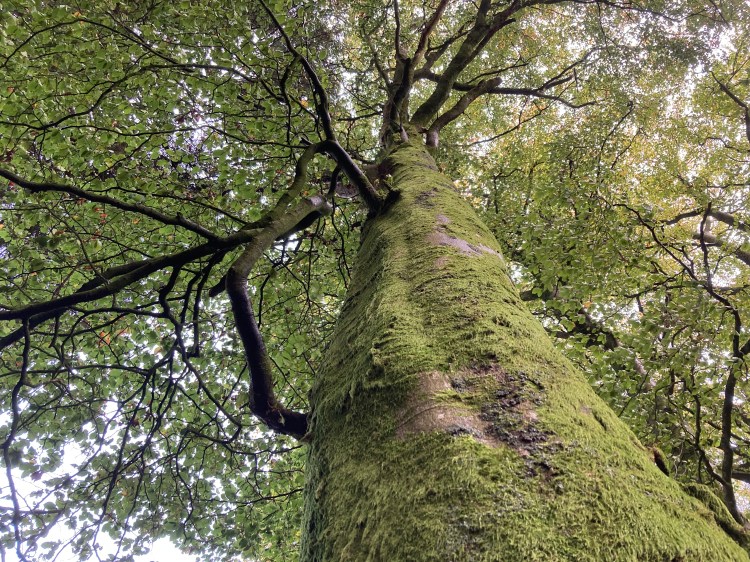
Being outdoors is an opportunity to be part of something bigger than ourselves. Nature is always there, and we are always a part of it, but by doing ecotherapy outdoors we more explicitly allow ourselves to be part of something bigger, part of the wider web of nature.
The sensory experience of being outdoors can help us notice our bodies, so our physical senses are included as part of the way we talk and exist together in a therapy session. Moving and walking can also help us process our thoughts and feelings in different ways to when we are sitting still.
Working outdoors may be similar to working indoors – two humans talking, one listening more, trying to be of help to the other. Or the environment may have more of a role, perhaps sparking connections, a line of thinking or feeling.
As with the way I work indoors, none of this is planned or mapped out. Instead, we begin and follow the thread of your process to see what emerges, discovering what it is you need to do as we go. Sometimes being outdoors can make it easier to notice and follow these intuitive moments. I believe that making space for these unexpected connections is where the power of therapy lies.
Some things are less predictable outdoors – we cannot guarantee the physical environment will be the same each week. When practising therapy indoors, we often place a lot of emphasis on the safety this stable environment creates. It can feel like it holds us, making it possible to talk about difficult things.
Outdoors, this safety can come differently. It is nature itself that holds us, and the safety can come by being part of something bigger. The natural environment can help us to digest and make sense of our uncertainties, or to let them be. As a therapist, I work with you to process what you don’t understand, and I see the natural environment as an ally in that.
At the same time, there are things I put in place to help the outdoors feel like a solid enough space to speak about vulnerable things. These include how we start and end sessions, knowing the paths, being practically prepared and awareness of others and the impact on confidentiality.
For me, moving my practice to include working outdoors with nature was a natural step to include more of myself in my work, working with physical spaces that I find deeply connecting and restoring, with an awareness of the wider context of our lives, society and environment.
If you feel this way of working may be helpful for you, please get in touch.

 Fingal Dorman Counselling